Crown Court Billing Process: Step-by-Step Guide for Defendants explains why people involved in Crown Court cases may receive legal bills and why the process can sometimes feel confusing. Costs can build up during a case through solicitor work, barrister representation, expert reports, court applications, and other legal expenses. Many defendants are unsure about who pays these costs, when bills are sent, or what to do if a charge seems incorrect. This guide is written for defendants and focuses on the billing process rather than legal strategy. You will learn who may be billed, how Crown Court bills are prepared, what common charges look like, and the practical steps to take if something on a bill does not seem right.
Crown Court Billing Process: Step-by-Step Guide for Defendants
The Crown Court billing process usually begins as soon as legal work starts on a criminal case. Solicitors record meetings, preparation work, court attendance, and communication linked to the defence. Barristers may also charge fees for hearings, advice, or trial representation. In some cases, expert witnesses, medical reports, transcripts, travel expenses, and court-related applications can add further costs.
As the case progresses, these services and expenses are tracked and later combined into a formal bill or cost statement. Some defendants receive support through legal aid, while others privately fund their defence or contribute toward costs ordered by the court. Once the case ends or reaches a major stage, the legal team usually finalizes the charges and sends the bill for review and payment. Understanding this process early helps defendants avoid confusion and respond quickly if a problem appears later.
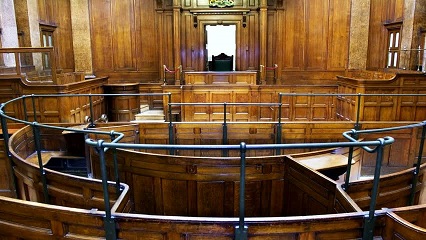
Who pays for what in a Crown Court case?
Not every defendant pays Crown Court costs in the same way. Some people qualify for legal aid, which can cover part or most of the legal expenses depending on financial circumstances and the type of case. Others privately pay solicitors and barristers directly through agreed fee arrangements.
Even where legal aid is granted, defendants may still face certain payments or contributions based on income, savings, or court decisions. If someone is convicted, the court may also order prosecution costs or other financial penalties. In privately funded cases, defendants are generally responsible for the full legal bill unless another arrangement has been agreed in writing.
The outcome of the case can sometimes affect who pays certain charges. Because of this, it is important for defendants to understand their funding arrangement from the beginning instead of waiting until the final bill arrives.
What a typical bill includes
A Crown Court bill can contain several different charges depending on the complexity of the case. Common items include solicitor preparation time, meetings, legal research, and communication. Barrister fees may cover hearings, plea discussions, conferences, and trial representation.
Some cases also include expert witness costs, medical or forensic reports, interpreter fees, transcript requests, travel expenses, and court application charges. Administrative work, copying documents, and postage can also appear on a bill.
Not every case includes all of these items. A shorter or less complex matter may involve fewer costs, while long trials or cases requiring experts can create higher bills. Reading each item carefully helps defendants understand how the total amount was calculated.
How Crown Court bills are created and sent
Crown Court bills are usually prepared in stages rather than all at once. During the case, legal professionals record the work they complete and the expenses linked to the defence. These records are then reviewed and turned into a final bill or cost statement once the case reaches an important stage or ends completely.
The solicitor’s office often prepares the first draft of the bill using time records, invoices, hearing dates, and receipts connected to the case. Barristers and outside experts may also submit their own fee information to be included. Before the bill is sent, someone within the legal team or accounts department usually checks the figures, confirms the work completed, and reviews whether the charges match the file records.
If legal aid is involved, additional checks may be carried out by the legal aid authority or court-related cost assessment process. Once everything is finalized, the defendant is normally notified by post, email, or through their solicitor. The bill may include payment instructions, due dates, reference numbers, and information about how to raise questions or disputes.
Understanding how the process works makes it easier for defendants to spot mistakes and deal with concerns before deadlines pass.

Step one, legal work is recorded during the case
As the case moves forward, solicitors and barristers record the work they complete. This can include meetings, preparing documents, attending court, reviewing evidence, and speaking with witnesses or experts. Expenses such as travel, transcripts, or specialist reports are also tracked.
Accurate records matter because they form the basis of the final bill. If work is not recorded properly, mistakes or confusion can happen later. Defendants may not see these records during the case, but they become important if there is a dispute about the final amount charged.
Step two, the bill is checked and finalized
Before a bill is issued, the legal team usually reviews the recorded work and calculates the total charges. This stage may include checking invoices, confirming court attendance dates, and making sure costs match the case file.
Even with careful review, billing errors can still happen. Duplicate entries, unclear descriptions, or incorrect figures sometimes appear in legal bills. That is why defendants should read every section carefully instead of assuming the document is automatically correct.
Step three, the defendant receives the bill or notice
The final bill or cost notice is often sent by email or post. It usually includes the total amount owed, a breakdown of charges, payment instructions, and deadlines. Some notices may also explain whether the bill relates to legal aid contributions, private fees, or court-ordered costs.
Reading the full document matters because important details are often included in small sections or attached pages. Defendants should keep copies of everything they receive and act quickly if any charge seems unclear.
What to do if the bill looks too high
Receiving a large legal bill can feel stressful, especially if the charges were not expected. The first step is to stay calm and carefully review the document instead of ignoring it. Many billing problems can be clarified or corrected if they are raised early.
Start by checking each charge against your case papers, emails, fee estimates, and court documents. Make notes about anything that seems unfamiliar, duplicated, or unexplained. It is also helpful to gather invoices, payment receipts, and earlier letters discussing costs.
If something still does not make sense, contact the solicitor’s office or billing department as soon as possible. Ask for a detailed explanation in plain language and request a clearer breakdown if necessary. Some bills can be formally challenged or reviewed, but time limits may apply. Waiting too long can reduce the available options and make disputes harder to resolve.
Check every charge against your case papers
Defendants should compare the bill carefully with any documents received during the case. This includes letters, invoices, funding agreements, hearing notices, and fee estimates. Matching dates and services can help identify problems quickly.
Common billing issues include duplicate charges, missing explanations, incorrect hearing dates, or services the defendant did not expect. Sometimes a bill may simply need clarification, while in other cases a genuine mistake may need correcting.
Ask for a breakdown or challenge the bill in time
If part of the bill seems unclear, defendants should contact the solicitor or billing team quickly. Asking for a detailed breakdown can make complicated charges easier to understand.
In some situations, there may be a formal process for reviewing or challenging costs. However, deadlines often apply, and missing them can limit the ability to dispute the bill later. Acting early gives defendants more time to gather documents and seek advice if needed.
How to avoid surprise costs later
Many billing problems can be reduced by staying informed throughout the case instead of waiting until the end. Defendants should ask questions early, keep copies of documents, and make sure they understand how legal fees are being charged.
Regular communication with the legal team can help avoid confusion about extra work, expert reports, or unexpected court hearings that may increase costs. Keeping organized records also makes it easier to review charges later if something appears incorrect.
Even when legal language feels difficult, asking for explanations in plain English is important. Understanding costs early can prevent stress, missed deadlines, and payment disputes later in the process.
Ask cost questions early and keep every document
Defendants should ask how fees are calculated, whether estimates are available, and what type of work could increase the final bill. Understanding these points early can prevent surprises later.
It is also important to save letters, emails, invoices, payment receipts, and court papers. These documents can help explain charges or support a dispute if billing problems arise later.
Get help quickly if you cannot understand the charges
Legal bills can be difficult to read, especially in complex Crown Court cases. Asking for a plain-English explanation is a practical step, not a problem.
Getting help early can prevent missed deadlines and reduce confusion. It also gives defendants more time to correct mistakes or raise concerns before the matter becomes more complicated.

Conclusion
The Crown Court billing process can seem complicated, but understanding the main steps makes it easier to manage. Defendants should know what a bill includes, how charges are recorded, and why reviewing every item carefully matters. If something looks incorrect or unexpectedly high, it is important to ask questions and respond quickly rather than ignore the issue. Keeping documents organized, staying informed during the case, and checking costs early can prevent many problems later. A legal bill should always be understood clearly before payment or agreement.